At Physio365, our neuro rehabilitation model is built on a holistic, patient-centered, and evidence-driven framework, combining neuroscience, functional training, and real-world integration.
We don’t just focus on movement—we focus on meaningful recovery, independence, and quality of life.
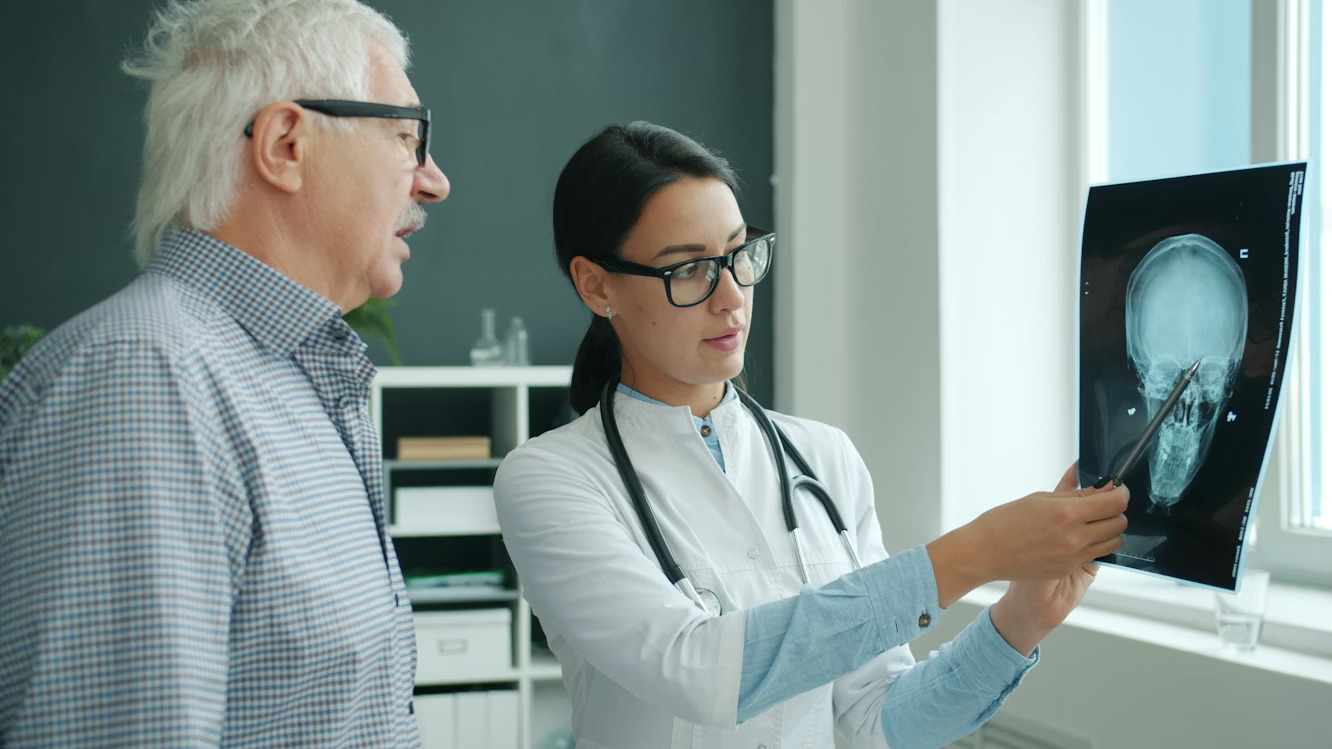
Every successful rehabilitation begins with a deep and structured evaluation, not just a routine check.
Neurological status (motor control, tone, reflexes, coordination)
Functional capacity (bed mobility, transfers, gait, hand function)
Balance and fall risk
Sensory deficits (proprioception, tactile awareness)
Pain and musculoskeletal limitations
Cardiopulmonary endurance
Cognitive and perceptual impairments (if present)
Functional Independence level
Balance and gait scales
Task performance analysis
Identify root movement dysfunctions (not just symptoms)
Set realistic, measurable goals
Create a phase-wise recovery roadmap
We also actively involve family and caregivers, ensuring continuity of care beyond therapy sessions.
The foundation of neuro rehab is the brain’s ability to adapt and reorganize—known as neuroplasticity.
At Physio365, we design therapy to stimulate and maximize this potential.
Repetition with purpose (not random exercises)
Task-specific training
Intensity and progression
Sensory-motor integration
Use-dependent cortical reorganization
Repetitive task practice (e.g., reaching, stepping)
Constraint-based strategies (when appropriate)
Bilateral training techniques
Visual and sensory feedback methods
Enhances motor recovery after stroke
Improves coordination and control
Accelerates return of functional movements
“The brain learns what it practices.” Every movement we train has a purpose.
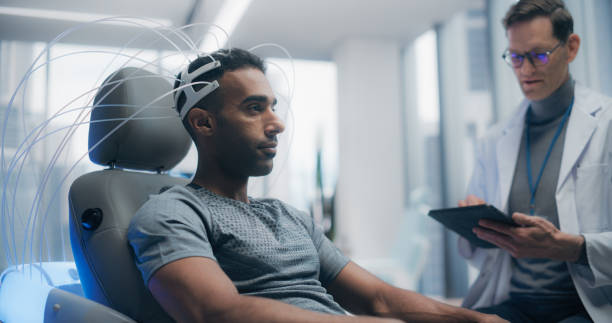
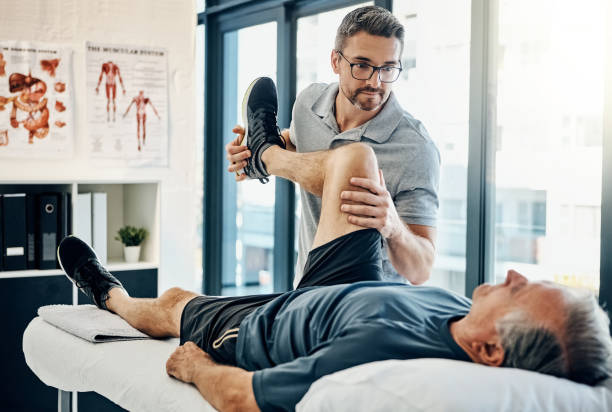
We focus on real-life movements, not isolated exercises.
Bed mobility (rolling, sitting)
Sit-to-stand transitions
Transfer training (bed to chair, toilet, etc.)
Gait pattern correction
Weight shifting and symmetry training
Assistive device training (if needed)
Community ambulation training
Static and dynamic balance
Reactive balance training
Fall prevention strategies
Reach, grasp, and release training
Hand function and dexterity
Task-based arm use (e.g., eating, dressing)
Directly improves activities of daily living (ADLs)
Enhances patient confidence and independence
Ensures carryover into real-world tasks
At Physio365, we integrate modern, research-backed techniques rather than outdated passive treatments.
Improve nerve mobility and reduce neural sensitivity
Useful in conditions with nerve involvement
Helps restore pain-free movement
Based on retraining normal movement patterns
Focus on quality of movement rather than compensation
Enhances body awareness and joint positioning
Improves coordination and stability
Practice of meaningful, goal-directed tasks
Improves motor control in real-life contexts
Vestibular and proprioceptive integration
Perturbation and reactive balance training
Progressive resistance training
Cardiovascular conditioning
Fatigue management
Our approach ensures active participation, not passive dependency.
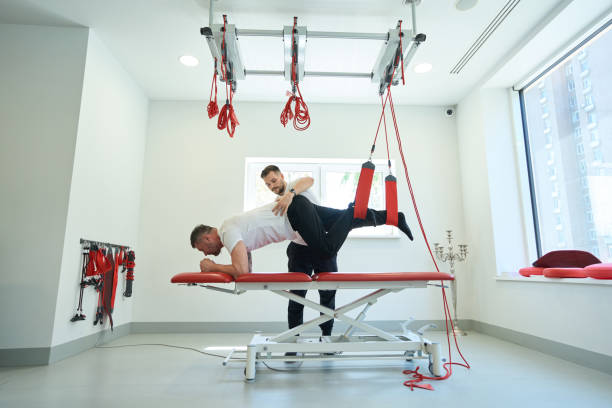

One of our strongest differentiators is context-specific rehabilitation.
We don’t train patients for an artificial clinic setting—we train them for their real life.
Recovery is dynamic—we continuously adapt.


Rehabilitation doesn’t stop when the therapist leaves.
This ensures 24/7 support for the patient, not just session-based care.